

Neurosciences
Overview
The Neuroscience area is consolidating its position as one of the largest clusters of research labs working on neurological diseases across Europe. At present, the area comprises 14 groups with more than one hundred fully dedicated researchers in close contact with top clinicians in the hospital. These research groups pursue a better and multifaceted understanding of the etiopathogenic mechanisms underlying a large variety of mostly adult but also pediatric neurological disorders including stroke, multiple sclerosis, Alzheimer’s disease, Parkinson’s disease, primary headaches, epilepsy, neuromuscular disorders, and also neurosurgical and psychiatric pathologies. The area also integrates groups involved in neuroimaging, analysis and interpretation of high-throughput data, and gene therapy strategies to target inflammatory and neurodegenerative neurological conditions.
Publications
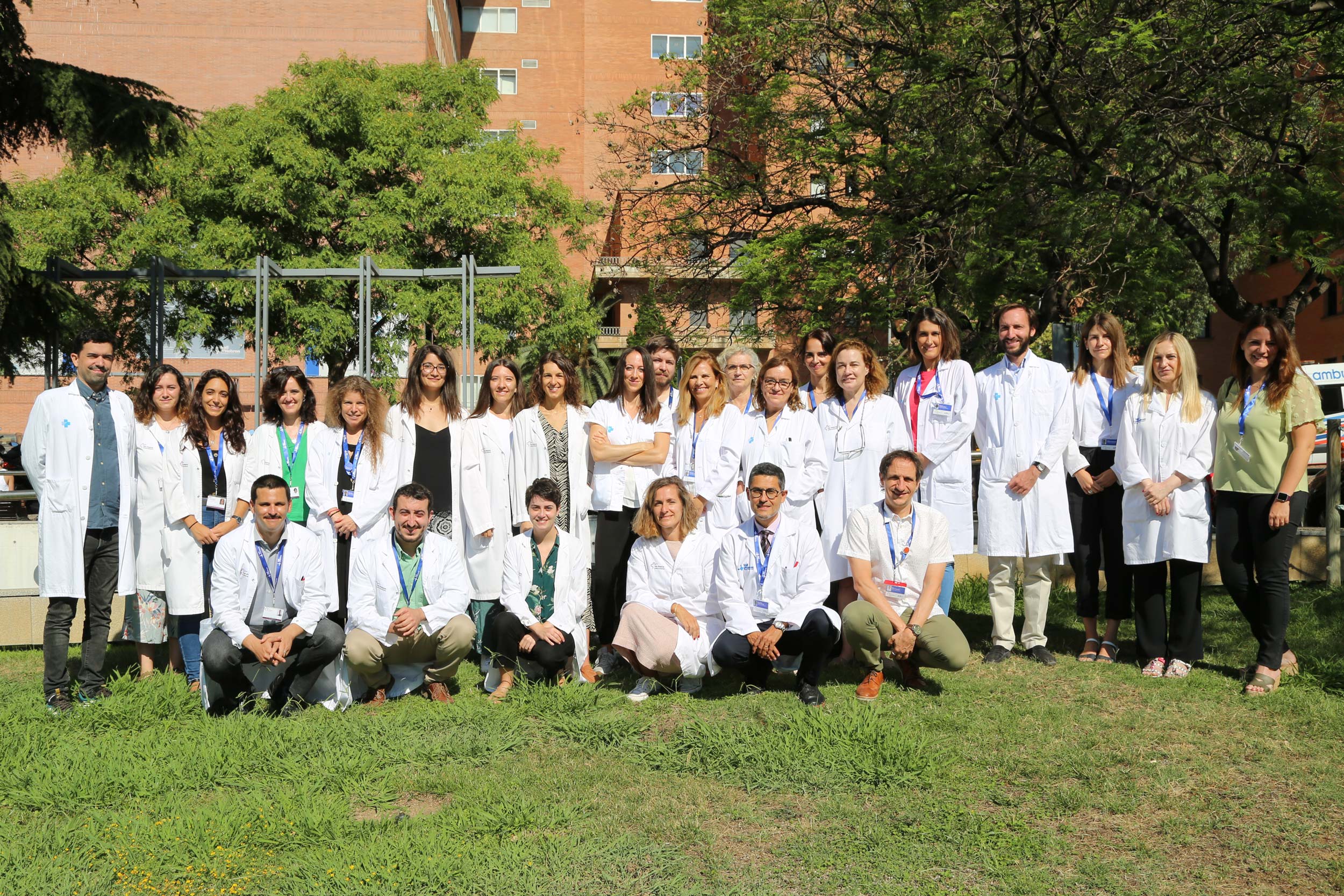
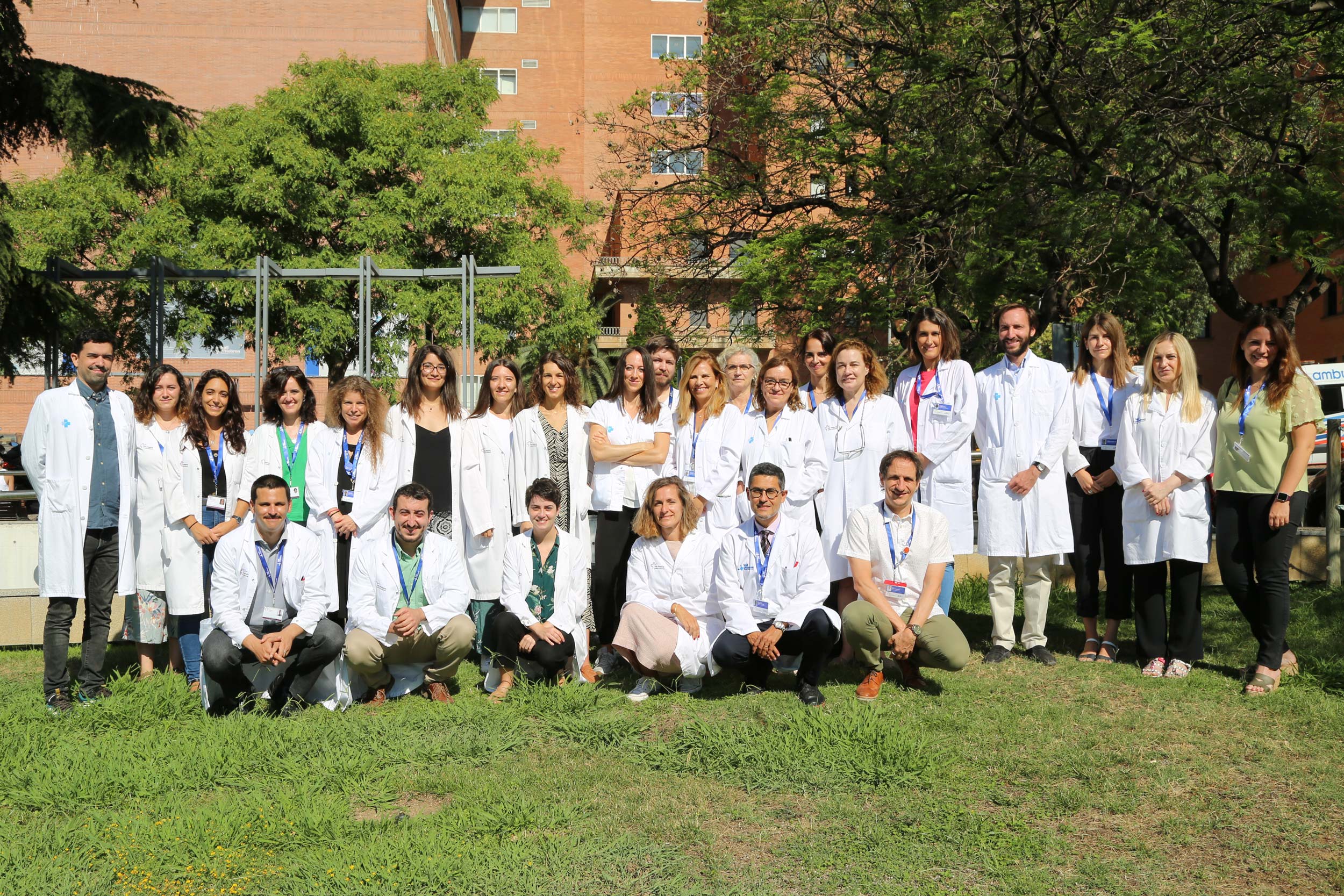
Group Leader: José Antonio Ramos-Quiroga
Group Leader José Antonio Ramos-Quiroga | Co-Leader Marta Ribasés Haro | Senior researchers (PI) Anna Beneria González, Eugeni Bruguera Cortada, Natalia Calvo Piñero, Francisco Collazos Sanchez, Marc Ferrer Vinardell, Sara Guila Fidel Kinori, Núria Gómez Barros, Lara Grau Lopez, Carlos Jacas Escarcellé, Pilar Lusilla Palacios, José Antonio Navarro Sanchís, Gemma Parramon Puig, Marta Quesada Franco, Vanesa Richarte Fernández, Amanda Rodríguez Urrutia, María Soler, Laura Gisbert | Senior Researcher Silvia Alemany Sierra, Dimitra Tatiana Anastasiadou, Mª Sonsoles Cepeda Diez, Mª Dolores Braquehais Conesa, Raquel Vidal Estrada, Silvia Amoretti, Jorge Lugo Marin, Gemma Nieva Rifa, Gabriela Perez Fuentes Ruiz, Belen Saez Vicens, Elena Ros, Constanza Daigré, Montserrat Corrales | PhD Students Gara Arteaga Henriquez, Mireia Forner Puntonet, Zaira Nieto Fernández, Christina Regales Peco, Miguel Angel Sandonis Vicente, Oscar Soto Angona, Laura Vilar Ribo, Pedro Serrano Pérez, Felipe Palma, Gemma Español | Lab Technician Lorena Arribas Garcia | Nursing Montserrat Fabregat Garcia | Clinical Trials Unit Marta Valverde Collazo (Coordinator), Pol Ibañez Jimenez, Estela García Egea, Judit Palacio Sanchez, Carolina Ramos Sayalero, Imanol Setien Ramos, Laura Vidal Estrada | Support Eudald Castell Panisello, Sheila Garcia Prado, Sara García González