

Neurosciences
Overview
The Neuroscience area is consolidating its position as one of the largest clusters of research labs working on neurological diseases across Europe. At present, the area comprises 14 groups with more than one hundred fully dedicated researchers in close contact with top clinicians in the hospital. These research groups pursue a better and multifaceted understanding of the etiopathogenic mechanisms underlying a large variety of mostly adult but also pediatric neurological disorders including stroke, multiple sclerosis, Alzheimer’s disease, Parkinson’s disease, primary headaches, epilepsy, neuromuscular disorders, and also neurosurgical and psychiatric pathologies. The area also integrates groups involved in neuroimaging, analysis and interpretation of high-throughput data, and gene therapy strategies to target inflammatory and neurodegenerative neurological conditions.
Publications
Group Leader: Alfons Macaya Ruiz
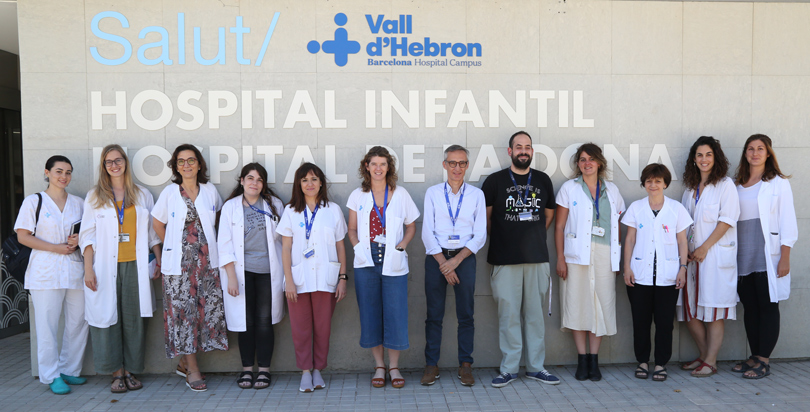
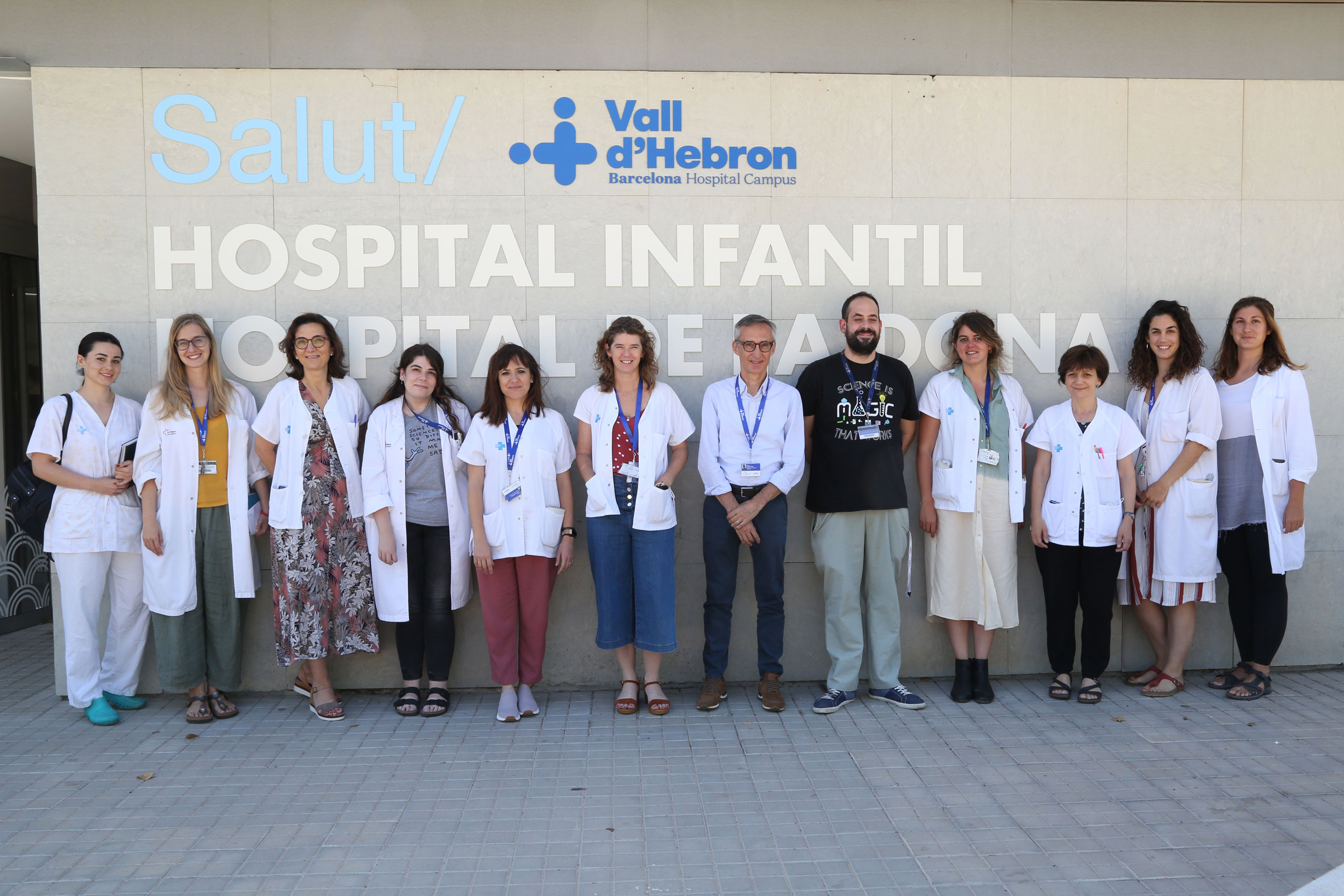
Group Leader Alfons Macaya Ruíz | Senior researchers (PI) Francina Munell Casadesús, Belén Pérez Dueñas, Mireia del Toro Riera, David Gómez Andrés. | Senior Researcher Anna Marcé Grau | Clinical Researchers: Miquel Raspall Chaure, Ana Felipe Rucián, Júlia Sala Coromina, Laura Costa Comellas, Ainara Salazar Villacorta | PhD Students Penélope Romero Duque, Ana Laura Cazurro Gutiérrez