

Neurosciences
Overview
The Neuroscience area is consolidating its position as one of the largest clusters of research labs working on neurological diseases across Europe. At present, the area comprises 14 groups with more than one hundred fully dedicated researchers in close contact with top clinicians in the hospital. These research groups pursue a better and multifaceted understanding of the etiopathogenic mechanisms underlying a large variety of mostly adult but also pediatric neurological disorders including stroke, multiple sclerosis, Alzheimer’s disease, Parkinson’s disease, primary headaches, epilepsy, neuromuscular disorders, and also neurosurgical and psychiatric pathologies. The area also integrates groups involved in neuroimaging, analysis and interpretation of high-throughput data, and gene therapy strategies to target inflammatory and neurodegenerative neurological conditions.
Publications
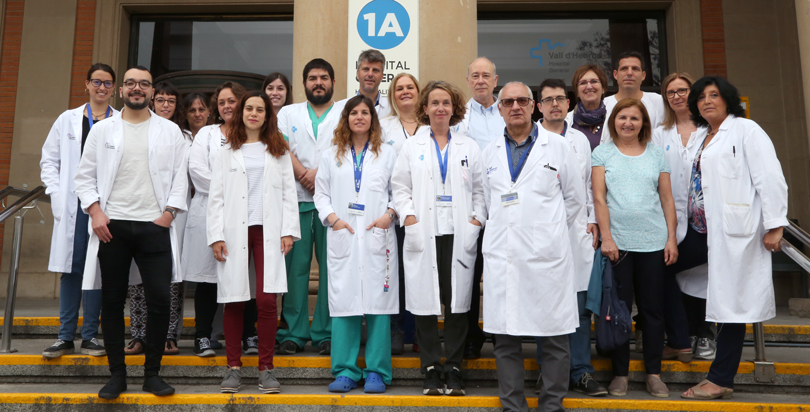
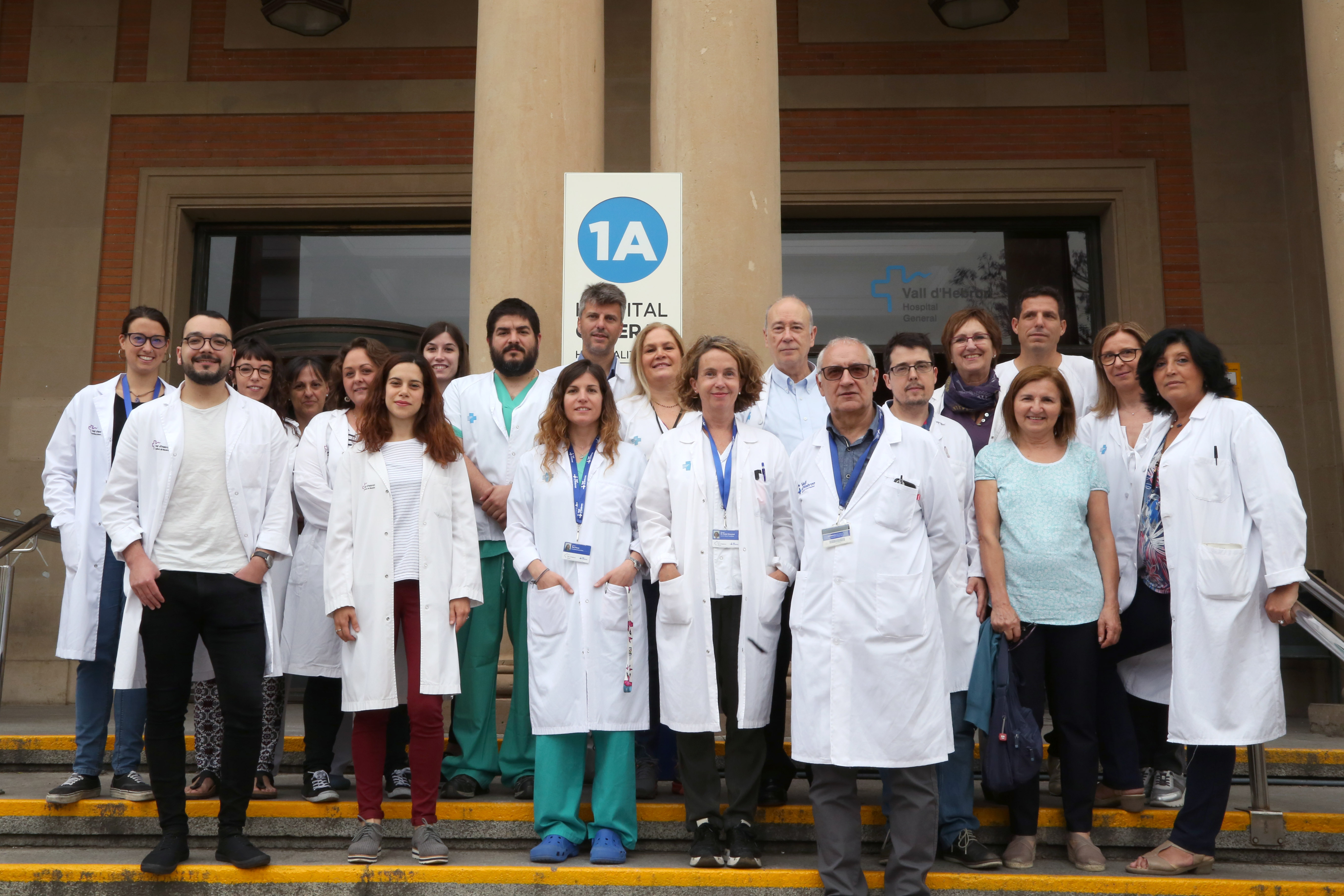
Group Leaders: Joan Sahuquillo Barris and Ma Antonia Poca Pastor
Group Leaders Juan Sahuquillo Barris, Ma Antonia Poca Pastor | Senior researchers (PI) Miriam de Nadal Clanchet | Senior Researcher Fuat Arikan Abello, Marcelino Bàguena Martínez, Alejandro Ferré Masó, D.F. Gándara, Francisco Ramón Martínez-Ricarte, Dulce María Moncho Rodríguez, Francisca Munar Bauza, Anna Rey Pérez, Marylin Riveiro Vilaboa, Maria Sueiras Gil | PhD Students Madalina Lavinia-Herea | Lab Technician Noelia Montoya Clemente | Nursing Lourdes Expósito Mozas | Administrative staff Joana Segura Segura, Mònica Tarradas Ustrell