

Vascular Biology and Metabolism (VAM)
Overview
The VAM area was created to allow a comprehensive, cooperative and multidisciplinary approach in basic, clinical and epidemiology research. The ultimate goal is the innovation and transfer of solutions in a group of diseases that are closely interrelated and that constitute the leading cause of morbidity and mortality in the world: cardio-cerebrovascular disease, diabetes-metabolic syndrome and renal impairment. The VAM area includes preclinical and clinical research staff from our center, and collaborative work with groups of the highest international prestige. VAM area includes 8 groups: Cardiovascular Pathology, Diabetes and Metabolism, Nephrology, Ophthalmology (focused on retinal vascular disease), CIBBIM-Nanomedicine and Kidney Physiopathology, Medical Molecular Imaging, Neurovascular Diseases, and Research on Aging, Frailty and Transitions in Barcelona. All groups use an integrative tridimensional approach to generate knowledge on the mechanisms of diseases to generate new diagnostic and therapeutic tools.
Publications
Group Leader: Rafael Simó Canonge
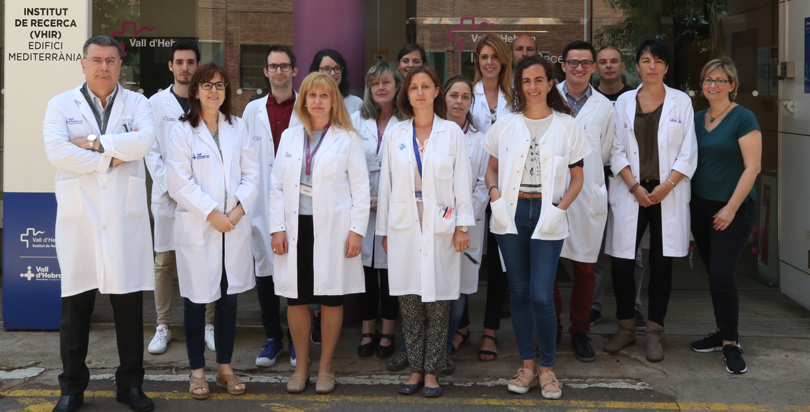
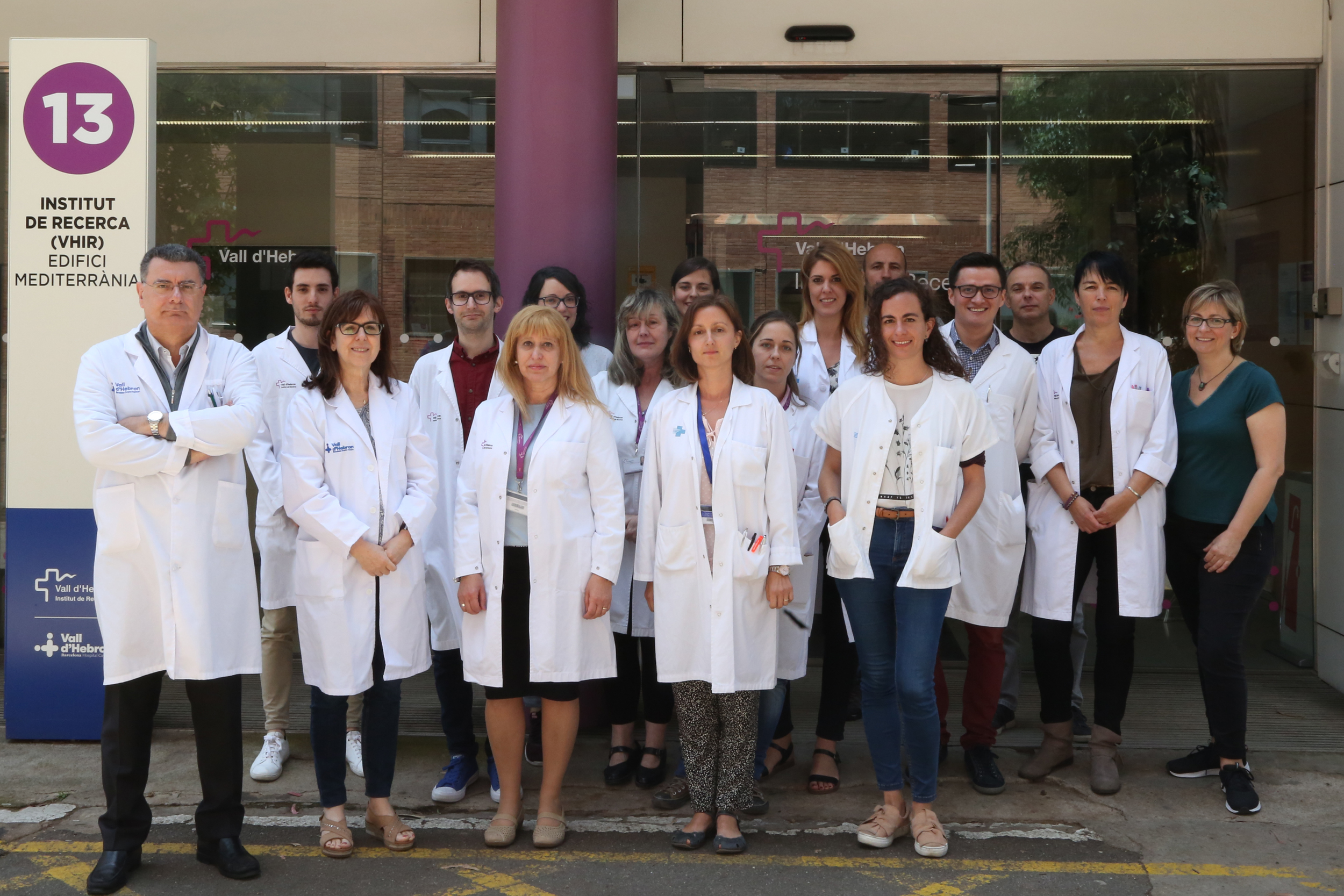
Group Leader Rafael Simó Canonge | Senior researchers (PI) Cristina Hernández Pascual, David Martinez Selva, Josep A. Villena Delgado | Senior Basic Researcher Patricia Monica Bogdanov, Marta García Ramírez | Clinical Researchers Andreea Ciudin, Olga Simó Servat, Carles Zafon Llopis, Betina Biagetti Biagetti, Alejandra Planas, Ángel Michael Ortíz Zúñiga | PhD Students Hugo Ramos Abellan, Laura Briansó Llort, Enzamaría Fidilio Meli, Marc Rivas Agudo | Lab Technician Lorena Ramos Pérez, Rosario Pardo Diaz, Jordi Huerta Alonso, David Sabater