

Oncology
Overview
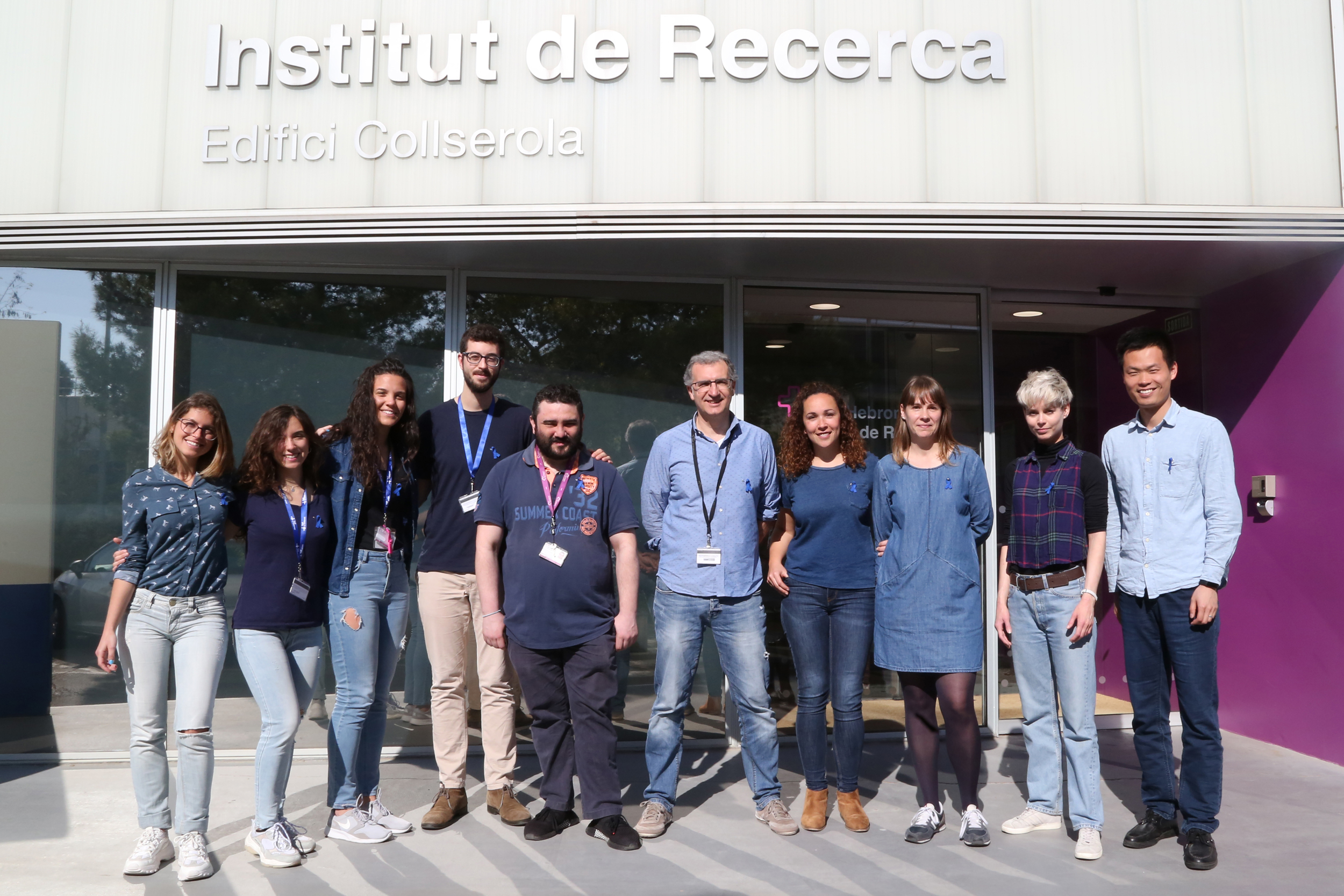
In 2020, the Area has been composed by eight groups addressing main unsolved issues in cancer, covering the fields of child and adolescent cancer, melanoma, gynecology, urology, cancer stem cells and molecular mechanisms of the tumor pathologies, as well nanomedicine. We work in close collaboration with the corresponding departments at the Hospital. This provides a unique opportunity to tackle the abovementioned pathologies during the entire course of the disease, from diagnosis (a focus and strength of our Area) to personalized treatment (gathering important international impact during 2020 in the field of child cancer). Our research in 2020 has been relevant also in the field of the use of nanotechnology in biomedical applications to improve therapeutic strategies and diagnostics. Despite, the COVID-19 pandemic, the Area has kept active at virtual shared activities and ONCO-VHIR seminars and the organization of the World Cancer Day event to get closer to the society. During 2020 in-Campus collaborations with VHIO have been strengthen and internalization of our research has been amplified. It is also noteworthy the shared scientific production in terms of publications between different groups of the Area and the stable collaborations between groups that have consolidated during these period.