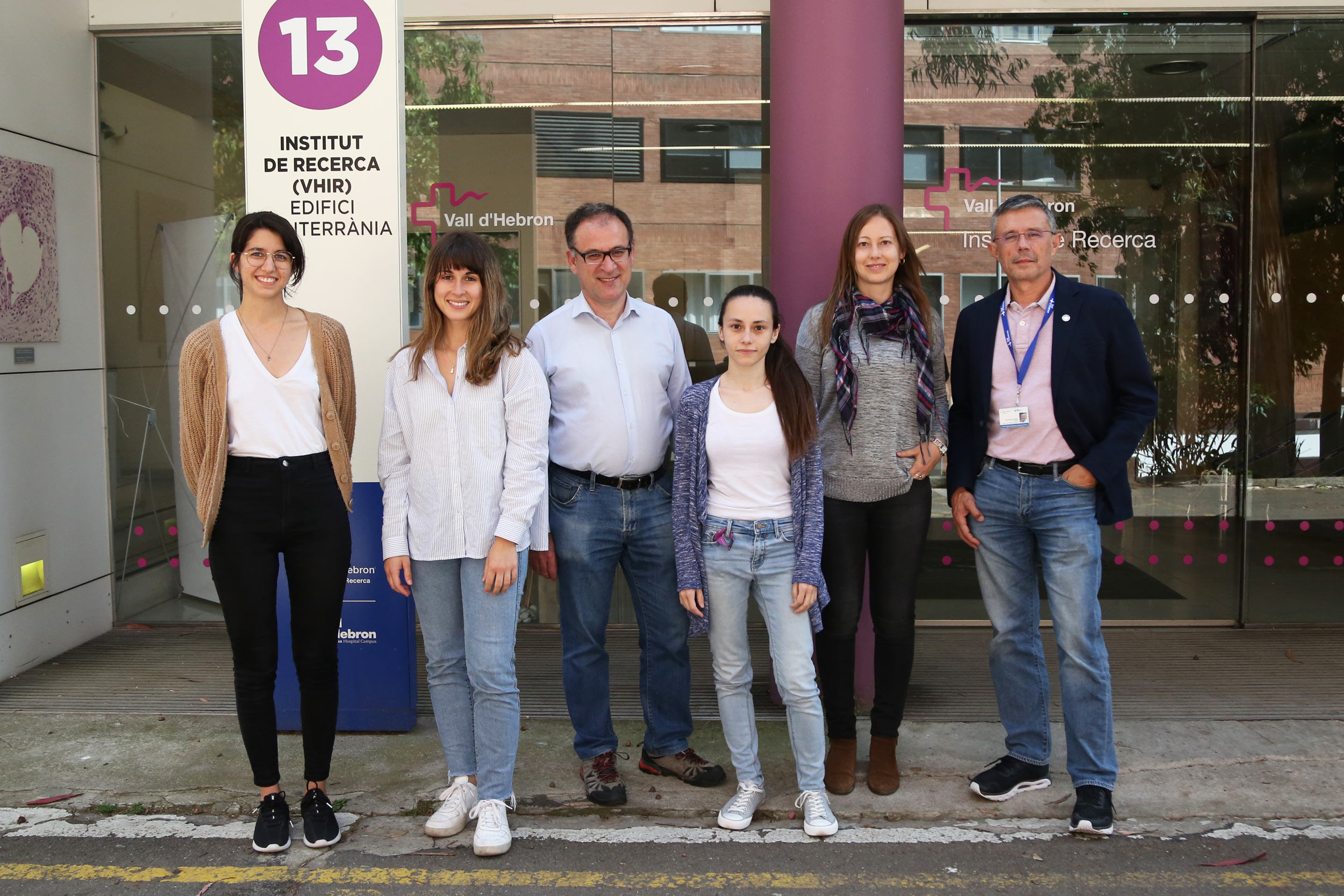


Cell Signaling and Apoptosis : VHIR Annual Report 2020

Neurosciences

< Back

Overview

The Neuroscience area is consolidating its position as one of the largest clusters of research labs working on neurological diseases across Europe. At present, the area comprises 14 groups with more than one hundred fully dedicated researchers in close contact with top clinicians in the hospital. These research groups pursue a better and multifaceted understanding of the etiopathogenic mechanisms underlying a large variety of mostly adult but also pediatric neurological disorders including stroke, multiple sclerosis, Alzheimer’s disease, Parkinson’s disease, primary headaches, epilepsy, neuromuscular disorders, and also neurosurgical and psychiatric pathologies. The area also integrates groups involved in neuroimaging, analysis and interpretation of high-throughput data, and gene therapy strategies to target inflammatory and neurodegenerative neurological conditions.
Publications

316
total
1898
impact factor
6.01
average impact factor

Group Leader: Joan X. Comella

Our work is focused in the characterization of the physiological roles of the death receptor antagonist, FAIM-L. We have evidenced its interaction in neurons with XIAP and Siva-1, confirming that FAIM-L is involved in neuronal plasticity processes through stabilization of XIAP and modulating caspases activity. These results, added to our finding that FAIM-L controls neuroinflammation in Alzheimer’s disease (AD), allows to position FAIM-L as an interesting target for the treatment of the disease. We have completed the characterization of the in vivo faim knockout model, which has a surprising link with retinopathy. We have also demonstrated post-transcriptional regulation of faim gene by miRNAs altered in AD. We are further characterizing the interaction of FAIM-L with other relevant proteins for neurodegeneration, and its role in human diabetic retinopathy. We are also developing tools to characterize FAIM-L expression and modulating its levels in different animal models of AD.

VHIR Annual Report 2020