

Vascular Biology and Metabolism (VAM)
Overview
The VAM area was created to allow a comprehensive, cooperative and multidisciplinary approach in basic, clinical and epidemiology research. The ultimate goal is the innovation and transfer of solutions in a group of diseases that are closely interrelated and that constitute the leading cause of morbidity and mortality in the world: cardio-cerebrovascular disease, diabetes-metabolic syndrome and renal impairment. The VAM area includes preclinical and clinical research staff from our center, and collaborative work with groups of the highest international prestige. VAM area includes 8 groups: Cardiovascular Pathology, Diabetes and Metabolism, Nephrology, Ophthalmology (focused on retinal vascular disease), CIBBIM-Nanomedicine and Kidney Physiopathology, Medical Molecular Imaging, Neurovascular Diseases, and Research on Aging, Frailty and Transitions in Barcelona. All groups use an integrative tridimensional approach to generate knowledge on the mechanisms of diseases to generate new diagnostic and therapeutic tools.
Publications
Group Leader: Ignacio Ferreira González
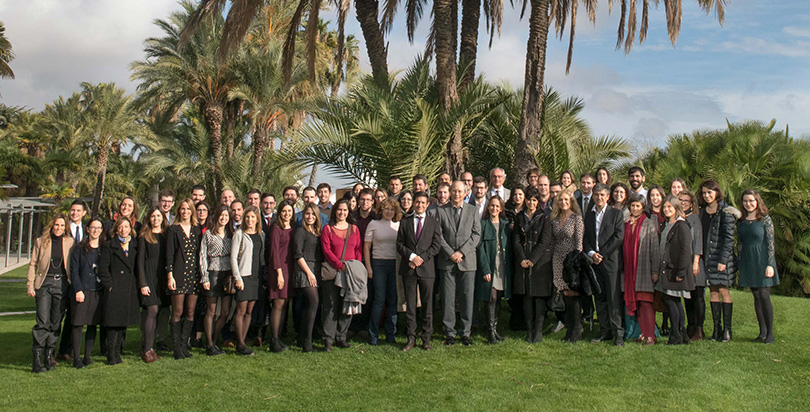
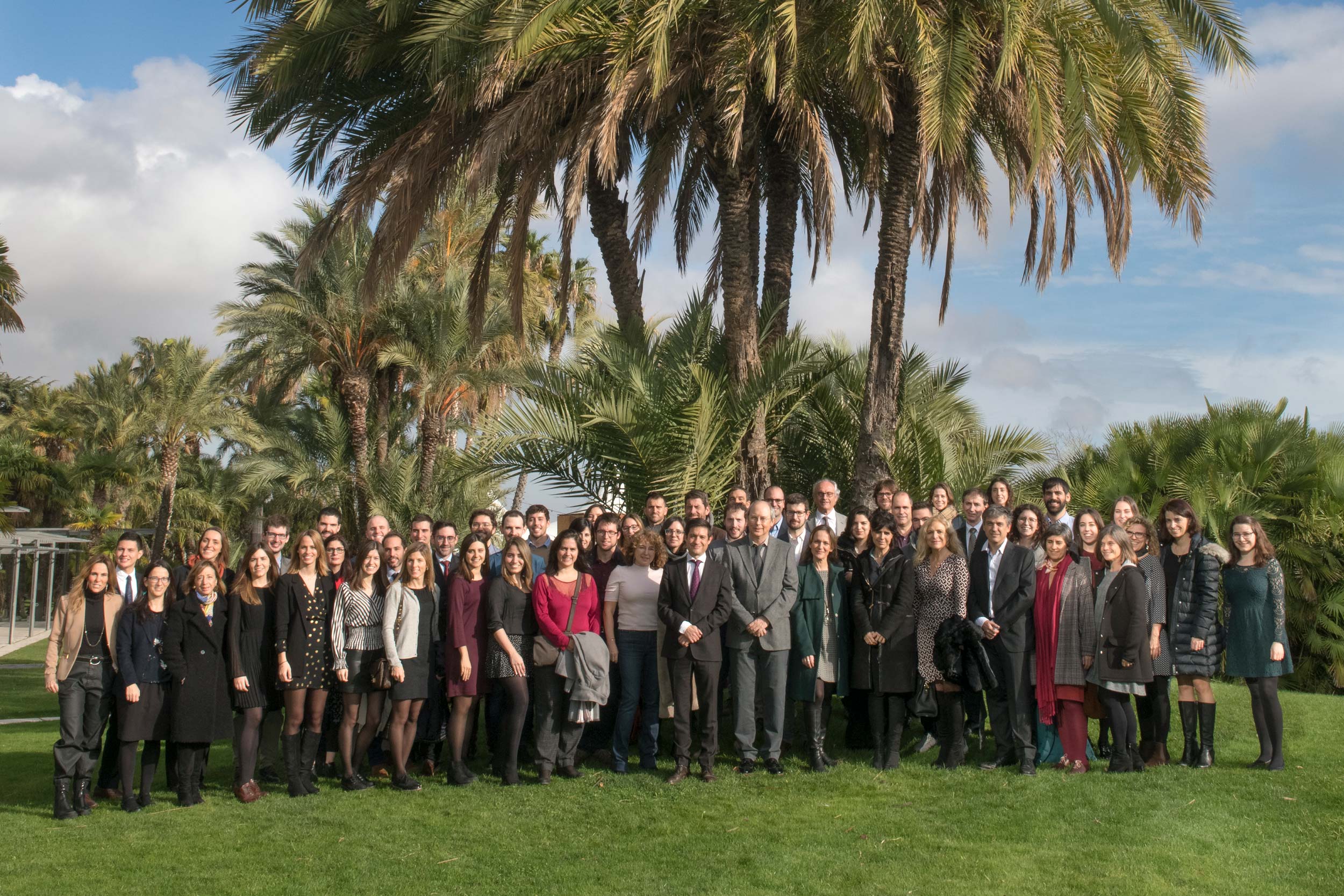
Group leader Ignacio Ferreira González | PhD Senior Researchers (PI) Santiago Aguade Bruix, José Antonio Barrabés Riu, Jordi Bañeras, Neus Bellera, Begoña Benito Villabriga, Laura Dos Subirá, Arturo Evangelista Masip, Bruno García del Blanco, Javier Inserte Igual, Jordi Lozano, Josep R. Marsal, Ana B. Méndez, Aida Ribera Sole, Nuria Rivas Gandara, José F. Rodríguez Palomares, Antonio Rodríguez Sinovas, Marisol Meana Ruiz, Antonia Sambola Ayala, Gisela Teixidó | PhD Researchers Enric Domingo Ribas, Jaume Francisco Pascual, Laura Galián Gay, Andrea Guala, Jordi Pérez Rodón, Antonia Pijuan Domènech, Nazarena Pizzi Maria | Researchers Irene Buera, Guillem Casas Masnou, Rubén Fernández Galera, M.Teresa González Alujas, Blanca Gordon, Laura Gutiérrez García-Moreno, Javier Limeres Freire, Angela López Sainz, Gerard Martí Aguasca, Laia Milà Pascual, Berta Miranda Barrio, Gerard Oristrell Santamaria, Imanol Otaegui Irurueta, Alba Santos Ortega, Bernat Serra Creus, Vicenç Serra García, Luz Servato, Filipa Valente, Pau Rello Sabaté, Toni Soriano | Researcher Technician Raul Aguilar López, MºAngeles Carmona Ramírez, Elisabeth Miró Casas | PhD Students David Aluja González, Claudia Alvarez Martin, Diana Bou Teen, Marta Consegal Pérez, Sara Delgado Tomás, Andrea Rodríguez López, Aroa Ruiz Muñoz, Laia Yañez Bisbe | Researcher Nurse Marta Alvarez, Lifni Miranda, Irene Montllor, Emma Pasto | Lab Technician Ángeles Rojas López | Researcher Residents Yasim Belahnech Pujol, Maria Calvo, Rosa Vila, Pablo Eduardo Tobias, Mª José Aspiroz, Clara Badia, Manel Maymí Ballesteros, Lorena Herrador, Pablo Jordán, Montserrat Bach Oller, Roxana Escalona, Eduard Alesina-Ródenas, Javier Cantalapiedra Romero, Víctor González Fernández, Álex Olivella